How Alaska talks reshaped trade with India, China and beyond.
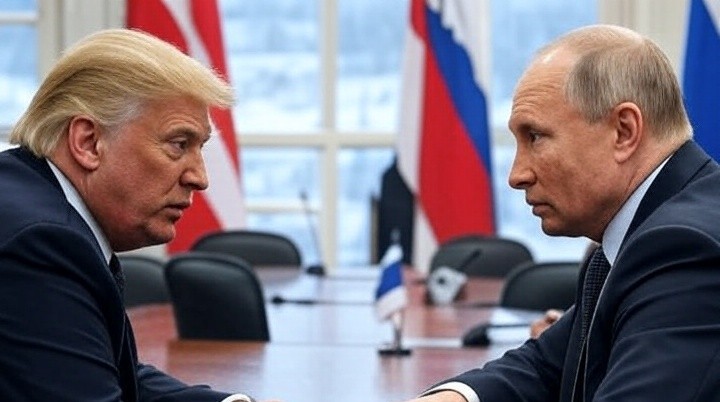
Russian President Putin and U.S. President Trump held a summit in Alaska on August 15, 2025. While the meeting ended with no announcements of a ceasefire in Ukraine, their discussions sparked a series of tariff-related developments.
These tariffs mainly concern India and China as an attempt to bring peace amid the war in Ukraine. They have a regional impact that spans all the way to Africa and Europe, prompting trade shifts.
The Situation on Tariffs in India
President Donald Trump implemented a new 25% import tax on Indian goods, which took effect on August 28. This adds to the existing 25% import tax, bringing the total tariff up to 50%. The tariff is a retaliation against India’s continuous importing of oil from Russia.
However, after the summit, Trump hinted that further measures and escalations are no longer necessary, at least not right now. While not specifically mentioning India, he said that he may revisit the matter in a couple of weeks. He mentioned making a few calls, which suggests a potential delay or softening of the tariffs.
This pause comes with a fair amount of strategic hostility in the wake of growing Anti-India/Anti-BRICS sentiment, both locally and abroad. On one hand, Trump hints that the tariffs may have pushed Putin further on the negotiation table, easing the urgency for retaliatory measures. On the other hand, they aim to relieve the tension between nations and potentially reach a friendly ceasefire.
Russia had previously criticized these tariffs, as India is Russia’s second major buyer after China. However, the decision to continue trade undermined the efforts of the U.S. to restrict Russia’s revenue for war.
How China Fares
Despite its global dominance in numerous sectors, China’s economy remains vulnerable to a degree. The slow domestic demand put the nation under pressure, housing revenue is down and unemployment seems to have reached a peak. Manufacturing metrics are also unstable because while high-tech sectors (e.g. Electric Vehicles, Large Language Model Development for Artificial Intelligence and Batteries) are flourishing, other industries stagnate.
Similar to the situation in India, President Trump also put off implementing new tariffs for China. This applies even to their imports of Russian oil, despite continuous trade. This came as a mystery for many industries, which were expecting harsher measures.
Still, while the tariffs were delayed, President Trump mentioned they were not dropped altogether. Instead, he declared that while they would not go up “right now,” this could still happen in a couple of weeks. Trump suggested that he wouldn’t further disrupt the global oil market at the moment, yet he holds any action as leverage.
Recently, Trump reportedly signed a 90-day extension on some of the harshest tariffs on China. Despite appearing as good news, Trump’s “for now” created uncertainty for companies in Beijing and beyond. Dependence on U.S. markets does not allow them to plan for the long term, leading to an even deeper domestic slowdown.
Impact on Other Regions
The tariffs imposed on India also raise concern regarding the cohesion of the Quad, which includes Australia, Japan, India and the US. Tony Abbott, former LNP Australian prime minister, warns that Trump’s unpredictable tariffs could negatively influence two decades’ worth of alliance-building.
At the same time, the tariffs on Chinese Graphite sparked new opportunities for India’s Epsilon Advanced Materials. After Washington introduced anti-dumping duties on all Chinese imports with a 93.5% tariff, India moved to close alternative deals with Japan and South Korea. This has reshaped dynamics not only for India but also for its new partners.
While industries in China and India are negatively affected by uncertainties with these tariffs, other countries such as New Zealand, could benefit from this situation. For example, if trade turns away from Chinese suppliers, industries in the U.S. could turn to Aotearoa for products such as meat or dairy. The same applies to Australia where wine, beef and mineral export demands could increase.
What About Europe?
Europe is in a slightly different position, as it can only watch uneasily as the tariffs come into affect. Energy concerns spark, as Europe still depends on Russian oil and gas, despite its diversification methods. While their top suppliers are the U.S. and Norway, Europe remains vulnerable to volatile energy prices.
Europe is wary of Trump’s strategies and with Washington going after BRICS countries, Brussels fears a shifting supply chain. The “Liberation Day” tariffs also triggered a lot of market turmoil as European companies have had to pay more for their imports. With the U.S. pushing Asia to export at volatile rates, the local industry could end up being compromised.
It is clear that this summit in Alaska may not have any breakthrough conclusions regarding the Ukraine conflict, but economic uncertainty has sparked a fair amount of turmoil. Global partners are trying to recalibrate their strategies amid the unease, leading to higher import and export prices on a daily basis.
President Trump likely to meet PM Modi at ASEAN Summit on Oct 26
Authorities in New Delhi and Washington, D.C., have begun considering the chance of a bilateral meeting between Modi and Trump, during the ASEAN Summit scheduled for October 26th in Malaysia.


 juni
juni 
OPINION |
How Alaska talks reshaped trade with India, China and beyond.
Russian President Putin and U.S. President Trump held a summit in Alaska on August 15, 2025. While the meeting ended with no announcements of a ceasefire in Ukraine, their discussions sparked a series of tariff-related developments.
These tariffs mainly concern India and China as an attempt to bring peace amid the war in Ukraine. They have a regional impact that spans all the way to Africa and Europe, prompting trade shifts.
The Situation on Tariffs in India
President Donald Trump implemented a new 25% import tax on Indian goods, which took effect on August 28. This adds to the existing 25% import tax, bringing the total tariff up to 50%. The tariff is a retaliation against India’s continuous importing of oil from Russia.
However, after the summit, Trump hinted that further measures and escalations are no longer necessary, at least not right now. While not specifically mentioning India, he said that he may revisit the matter in a couple of weeks. He mentioned making a few calls, which suggests a potential delay or softening of the tariffs.
This pause comes with a fair amount of strategic hostility in the wake of growing Anti-India/Anti-BRICS sentiment, both locally and abroad. On one hand, Trump hints that the tariffs may have pushed Putin further on the negotiation table, easing the urgency for retaliatory measures. On the other hand, they aim to relieve the tension between nations and potentially reach a friendly ceasefire.
Russia had previously criticized these tariffs, as India is Russia’s second major buyer after China. However, the decision to continue trade undermined the efforts of the U.S. to restrict Russia’s revenue for war.
How China Fares
Despite its global dominance in numerous sectors, China’s economy remains vulnerable to a degree. The slow domestic demand put the nation under pressure, housing revenue is down and unemployment seems to have reached a peak. Manufacturing metrics are also unstable because while high-tech sectors (e.g. Electric Vehicles, Large Language Model Development for Artificial Intelligence and Batteries) are flourishing, other industries stagnate.
Similar to the situation in India, President Trump also put off implementing new tariffs for China. This applies even to their imports of Russian oil, despite continuous trade. This came as a mystery for many industries, which were expecting harsher measures.
Still, while the tariffs were delayed, President Trump mentioned they were not dropped altogether. Instead, he declared that while they would not go up “right now,” this could still happen in a couple of weeks. Trump suggested that he wouldn’t further disrupt the global oil market at the moment, yet he holds any action as leverage.
Recently, Trump reportedly signed a 90-day extension on some of the harshest tariffs on China. Despite appearing as good news, Trump’s “for now” created uncertainty for companies in Beijing and beyond. Dependence on U.S. markets does not allow them to plan for the long term, leading to an even deeper domestic slowdown.
Impact on Other Regions
The tariffs imposed on India also raise concern regarding the cohesion of the Quad, which includes Australia, Japan, India and the US. Tony Abbott, former LNP Australian prime minister, warns that Trump’s unpredictable tariffs could negatively influence two decades’ worth of alliance-building.
At the same time, the tariffs on Chinese Graphite sparked new opportunities for India’s Epsilon Advanced Materials. After Washington introduced anti-dumping duties on all Chinese imports with a 93.5% tariff, India moved to close alternative deals with Japan and South Korea. This has reshaped dynamics not only for India but also for its new partners.
While industries in China and India are negatively affected by uncertainties with these tariffs, other countries such as New Zealand, could benefit from this situation. For example, if trade turns away from Chinese suppliers, industries in the U.S. could turn to Aotearoa for products such as meat or dairy. The same applies to Australia where wine, beef and mineral export demands could increase.
What About Europe?
Europe is in a slightly different position, as it can only watch uneasily as the tariffs come into affect. Energy concerns spark, as Europe still depends on Russian oil and gas, despite its diversification methods. While their top suppliers are the U.S. and Norway, Europe remains vulnerable to volatile energy prices.
Europe is wary of Trump’s strategies and with Washington going after BRICS countries, Brussels fears a shifting supply chain. The “Liberation Day” tariffs also triggered a lot of market turmoil as European companies have had to pay more for their imports. With the U.S. pushing Asia to export at volatile rates, the local industry could end up being compromised.
It is clear that this summit in Alaska may not have any breakthrough conclusions regarding the Ukraine conflict, but economic uncertainty has sparked a fair amount of turmoil. Global partners are trying to recalibrate their strategies amid the unease, leading to higher import and export prices on a daily basis.
President Trump likely to meet PM Modi at ASEAN Summit on Oct 26
Authorities in New Delhi and Washington, D.C., have begun considering the chance of a bilateral meeting between Modi and Trump, during the ASEAN Summit scheduled for October 26th in Malaysia.
This work is licensed under a Creative Commons Attribution-NonCommercial-NoDerivatives 4.0 International License